
Why Is My French Bulldog Losing Hair? The Complete Guide
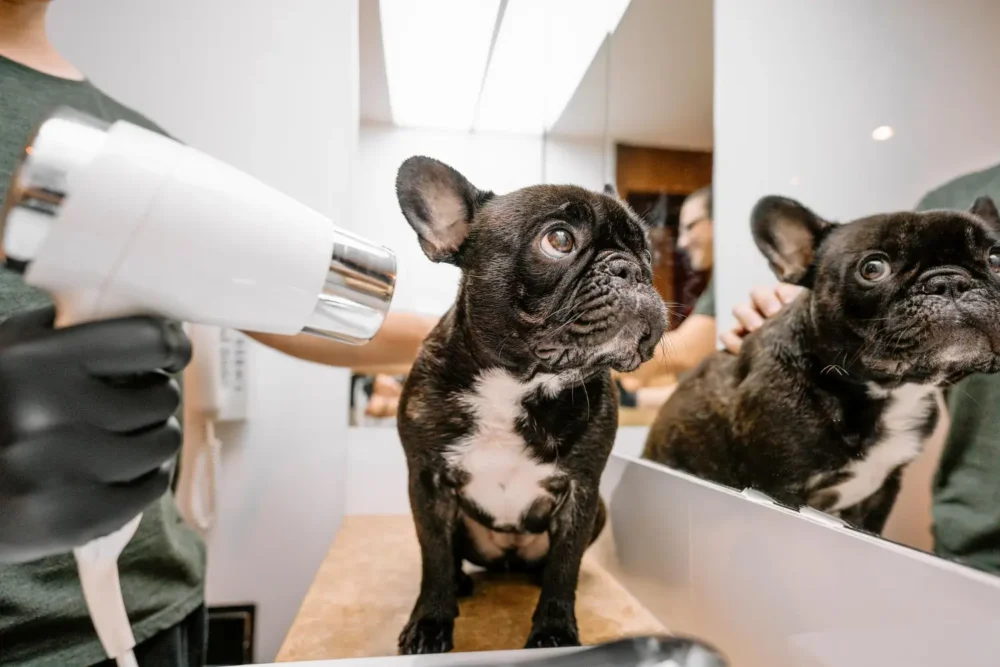
Nothing breaks a dog parent’s heart quite like watching their Frenchie’s beautiful coat start falling out. I get it – I’ve been there. After raising these amazing pups for years, I’ve learned that most hair loss is totally fixable when you know what to look for.
Here’s the tea: Frenchies typically shed their hair all year round, but experience their heaviest shedding periods in spring and fall when they transition their coats for seasonal changes.
Most hair loss issues in these dogs are completely treatable when you catch them early and understand what you’re dealing with.
Understanding Your Frenchie’s Hair Loss Patterns
Your pup has some pretty unique coat characteristics that make them more susceptible to specific types of hair loss. I’ve learned that recognizing the difference between normal shedding and something that needs professional attention can save you a lot of worry – and potentially save your dog from unnecessary discomfort.
Understanding normal shedding patterns is crucial, especially since many owners wonder do French Bulldogs shed and how much hair loss is considered typical for this breed. Every Frenchie sheds differently, but there are some clear patterns we can watch for.
When Shedding Becomes Something More Serious
Every owner needs to learn how to distinguish between routine shedding and hair loss that signals underlying health issues. I’ve seen too many people panic over normal seasonal changes, and I’ve also seen others dismiss concerning symptoms as “just shedding.”
The key is understanding what’s normal for your specific dog and recognizing when something has changed.
The Natural Hair Shedding Cycle of Frenchies
Your Frenchie losing hair during certain times of the year is completely normal. These dogs typically experience increased shedding during spring and fall transitions, lasting 4-6 weeks each time. You’ll notice more hair on your furniture, clothes, and pretty much everywhere else during these periods.
Research shows that French Bulldogs begin noticeable shedding around 6 months of age when their adult coat develops, with light shedding continuing year-round and seasonal increases occurring during spring and fall coat renewal periods.
My friend’s pup Max went through his first spring molt at 8 months old, and his owner Sarah panicked when she noticed significantly more hair on the couch for about 5 weeks. This was completely normal seasonal shedding as Max transitioned from his puppy coat to his adult summer coat. After tracking the pattern for a few weeks, Sarah realized it was just part of Max’s natural cycle.
But here’s where it gets tricky – knowing when to worry.
Bald patches, excessive scratching, red or inflamed skin, and sudden dramatic increases in hair loss indicate your French needs veterinary evaluation rather than routine grooming adjustments. These symptoms often point to treatable conditions when caught early, but they can become serious problems if ignored.
I always tell owners to trust their instincts. If something seems off about your dog’s coat or skin, it probably is.
| Normal Shedding | Concerning Hair Loss |
| Gradual, seasonal increases | Sudden, dramatic hair loss |
| Even distribution across body | Circular bald patches |
| No skin irritation | Red, inflamed, or bleeding skin |
| Minimal scratching | Excessive scratching/licking |
| 4-6 week duration | Persistent beyond normal cycles |
| No behavioral changes | Lethargy or appetite changes |
Pro Tip: Senior Frenchies (7+ years) naturally experience some coat thinning and texture changes. Their hair might become a bit more brittle or sparse in certain areas, which can be part of the normal aging process.
If you see excessive balding or dramatic changes in hair texture warrant professional assessment to rule out underlying health conditions that commonly affect older dogs. Age-related changes should be gradual and subtle, not sudden or severe.
Your Breed’s Unique Challenges
Frenchies face specific challenges due to their genetic makeup, skin fold structure, and breeding history that increase their susceptibility to certain types of hair loss. These challenges are part of the broader spectrum of common French Bulldog health issues that responsible owners should be aware of when caring for their pets.
The Genetics Behind Hair Loss Problems
Responsible breeding practices significantly reduce inherited hair loss conditions, but these dogs can still carry genes for alopecia, color dilution disorders, and follicular dysplasia that manifest as patchy or progressive hair loss throughout their lives.
This is why choosing a reputable breeder who conducts proper health screenings is so important. While we can’t prevent all genetic conditions, we can certainly reduce the risk.
Speaking of genetics, those adorable wrinkles that make Frenchies so appealing can trap moisture, bacteria, and debris, leading to localized hair loss around facial folds, tail pockets, and body creases when not properly maintained with daily cleaning routines.
Proper wrinkle care is essential and understanding how to care for French Bulldogs includes detailed guidance on maintaining these unique facial features. I’ve seen minor wrinkle irritation turn into significant hair loss problems when owners don’t establish consistent cleaning routines.
Environmental Factors Affecting Your Dog’s Coat
Your Frenchie’s daily environment, diet, and stress levels directly impact coat health. Many hair loss issues stem from manageable lifestyle factors rather than serious medical conditions, making prevention through environmental control highly effective.
At Kingdom Frenchies, we work closely with families across the North and Midwest who are looking for ethically bred, health-focused French Bulldogs raised for real life, not trends. From French Bulldog puppies for sale in Pennsylvania and Michigan to Illinois, New York, New Jersey, and Kentucky, These regions often mean city living or close suburban environments, which makes emotional balance, breathing health, and adaptability just as important as appearance.
Stress Can Make Hair Fall Out
Major life changes, new family members, moving homes, or separation anxiety can trigger stress-related hair loss in sensitive Frenchies. This typically appears as symmetrical thinning or small bald spots that resolve once stressors are addressed.
I’ve noticed that these dogs are particularly sensitive to changes in their routine. Even something as simple as a new work schedule can sometimes trigger stress-related shedding.
But here’s what really shows up in the coat first – poor nutrition. Inadequate nutrition, food allergies, or insufficient omega fatty acids often manifest as dull, brittle hair that falls out easily. High-quality protein and balanced nutrition are essential for maintaining your Frenchie’s coat health and preventing deficiency-related hair loss.
Proper nutrition starts with understanding what can French Bulldogs eat and choosing appropriate foods that support healthy coat development. I always recommend consulting with your vet before making major dietary changes, especially if you’re dealing with coat issues.
I learned this lesson the hard way about household products too. Harsh shampoos, household cleaners, or new grooming products can cause contact dermatitis leading to hair loss. I switched to a new “premium” shampoo that ended up causing irritation in several of my dogs. Now I always patch test new products on a small area first, and I recommend always introducing new products gradually and choosing gentle, dog-specific formulations.
Medical Conditions Behind the Hair Loss
Various health conditions can trigger hair loss in Frenchies, ranging from easily treatable infections to more complex hormonal disorders. Early recognition and proper veterinary care are crucial for successful treatment outcomes and preventing permanent coat damage.
Most medical causes of hair loss respond well to treatment when caught early. The key is getting an accurate diagnosis so you can target the right problem with the right solution.
Parasites and Infections Your Frenchie Might Face
External parasites and bacterial or fungal infections are among the most common treatable causes of hair loss in these dogs. These conditions often present with distinctive patterns and accompanying symptoms that help veterinarians make quick diagnoses.
Tiny Invaders That Cause Big Problems
Fleas, demodex mites, and scabies mites cause intense itching leading to scratching-induced hair loss. You might notice tiny moving specks, red bumps, or characteristic “flea dirt” (black specks) in your Frenchie’s coat during regular grooming sessions.
My neighbor’s Frenchie Luna started getting small bald patches on her lower back and thighs. During brushing, her owner discovered tiny black specks in her coat, which turned out to be flea dirt. After starting monthly flea prevention and medicated baths, Luna’s hair regrew completely within 8 weeks.
The frustrating thing about parasites is how quickly they can multiply and spread. What starts as a minor issue can become a major problem in just a few weeks if left untreated.
Bacterial infections create a different pattern – hot spots, pyoderma, and bacterial infections create circular patches of hair loss often accompanied by redness, pustules, or crusty lesions. These conditions typically respond well to antibiotic treatment when caught early and properly managed.
Bacterial infections can develop secondary to other issues, which is why it’s important to address the underlying cause along with treating the infection itself.
Now here’s something that confuses a lot of people – ringworm isn’t precisely a worm. Despite its name, ringworm is a fungal infection creating circular, scaly patches of hair loss. It’s highly contagious to other pets and humans, requiring immediate veterinary attention and thorough household decontamination to prevent spread.
Hormonal Imbalances That Affect Coat Health
Hormone problems and autoimmune conditions can cause dramatic hair loss patterns that require specialized testing and long-term management strategies. These conditions often affect multiple body systems beyond just the coat.
Here’s the thing about hormone issues – they usually show up as symmetrical hair loss. If both sides of your pup look the same, that’s your first clue something’s off internally.
Problem: The Thyroid Isn’t Working Right
Low thyroid function causes hair loss on both sides, weight gain, lethargy, and skin darkening. This condition is manageable with daily medication and regular monitoring, allowing most dogs to regain their full coat within months of treatment.
Veterinary studies indicate that hypothyroidism affects the hair growth cycle in dogs, with affected French Bulldogs typically showing symmetrical hair thinning especially on the flanks, back, and tail sides.
Cushing’s disease is another hormone problem that leads to excess cortisol production, causing hair loss on both sides, pot-bellied appearance, and thin skin. Early diagnosis through specialized blood tests enables better management of this progressive condition and improved quality of life.
Then there’s alopecia areata – this autoimmune condition causes sudden, circular patches of complete hair loss without inflammation. While the exact cause remains unknown, many cases resolve spontaneously or respond to immune-modulating treatments prescribed by veterinary dermatologists.
| Hormonal Condition | Hair Loss Pattern | Additional Symptoms | Treatment Approach |
| Hypothyroidism | Symmetrical thinning on flanks/back | Weight gain, lethargy, cold intolerance | Daily hormone replacement therapy |
| Cushing’s Disease | Bilateral hair loss, thin skin | Pot belly, increased thirst/urination | Medication, diet changes, monitoring |
| Alopecia Areata | Sudden circular bald patches | No inflammation or itching | Immune-modulating treatments |
Allergic Reactions That Cause Hair Loss
Food allergies, environmental allergens, and contact sensitivities frequently cause hair loss in Frenchies through chronic scratching and skin inflammation. Identifying and managing allergens often provides complete resolution of hair loss issues.
Understanding French Bulldog allergies is the beginning for identifying triggers that may be causing excessive scratching and subsequent hair loss.
Food Allergies That Show Up in the Coat
Common protein sources like chicken, beef, or dairy can trigger allergic reactions causing widespread itching and hair loss. Elimination diets help identify problem ingredients for long-term management and dietary planning.
Food allergies can be tricky to diagnose because symptoms often develop gradually over time. Your dog might eat the same food for years before developing a sensitivity to it.
Environmental triggers you can actually control include pollen, dust mites, mold spores, and grass that can cause seasonal or year-round allergic reactions. Air purifiers, frequent bathing, and antihistamines often provide relief from allergy-induced hair loss when used consistently.
Getting the Right Diagnosis and Treatment
Look, I know vet visits can be stressful, but here’s how to make them count. Proper diagnosis requires systematic evaluation by a qualified veterinarian using various testing methods. Understanding the diagnostic process helps you prepare for veterinary visits, ask the right questions, and make informed treatment decisions for your Frenchie’s specific condition.
I can’t stress enough how important it is to work with a vet who understands Frenchies and their unique needs. Not all vets have the same level of experience with breed-specific issues.
What Happens During Your Vet Visit
A thorough veterinary evaluation combines physical examination, medical history review, and specialized testing to identify the root cause of your pup’s hair loss. Preparation and clear communication enhance the diagnostic process.
Preparing for Your Appointment
Your veterinarian will examine the hair loss pattern, check for parasites, assess skin condition, and review your dog’s overall health. Bring photos showing progression and a list of any recent changes in diet, environment, or routine to help with diagnosis.
Veterinary Visit Checklist:
- Take clear photos of affected areas before appointment
- Note when hair loss first appeared
- List recent changes in diet, environment, or routine
- Document scratching/licking frequency
- Bring current medication list
- Note any other symptoms (lethargy, appetite changes)
- Prepare questions about treatment options
- Have vaccination records available
Tests You Might Need
Skin scrapings, fungal cultures, allergy testing, and bloodwork help pinpoint specific causes. While testing costs vary, accurate diagnosis prevents expensive trial-and-error treatments and ensures faster resolution of your Frenchie’s hair loss.
Some tests provide immediate results, while others may take several days or weeks. Your vet will prioritize based on what they observe during the physical examination.
Effective treatment often combines multiple approaches including medications, dietary changes, environmental modifications, and grooming adjustments. Follow-up appointments track progress and adjust protocols as needed for optimal results.
Taking Care of Your Frenchie at Home
Prevention is way easier than treatment. A few minutes daily beats weeks of vet visits. Consistent home care routines and preventive measures significantly reduce hair loss episodes and support your pup’s overall coat health between veterinary visits.
Daily Grooming That Makes a Difference
Gentle daily brushing removes loose hair, distributes natural oils, and allows early detection of skin changes. Use soft-bristled brushes designed for short-coated breeds to avoid irritation while maintaining coat health.
Keeping Those Wrinkles Clean and Dry
Speaking of wrinkle care, I learned the hard way that daily cleaning is not optional, you just can’t skip it. Clean facial wrinkles, tail pockets, and body folds daily with unscented baby wipes or specialized wipes. Thoroughly dry these areas to prevent moisture-related bacterial growth and localized hair loss around skin folds.
Daily Wrinkle Care Routine
- Gently clean facial folds with unscented wipes
- Dry all wrinkles thoroughly with soft cloth
- Check tail pocket for debris or moisture
- Inspect body folds for redness or irritation
- Apply cornstarch-based powder if recommended by vet
- Monitor for any changes in skin condition
Nutrition That Supports Healthy Hair Growth
High-quality protein, omega-3 fatty acids, and biotin supplements support healthy hair growth from the inside out. Consult your veterinarian before adding supplements to ensure proper dosing and avoid potential interactions with medications.
Choosing the right nutrition is a must, too; and our guide on best food for French Bulldogs provides detailed recommendations for supporting optimal coat health.
Frenchie-proof Your Place
Maintain consistent temperature and humidity levels, use hypoallergenic bedding, and minimize exposure to harsh chemicals. Regular washing of your Frenchie’s bedding and toys reduces allergen accumulation and environmental triggers.
Long-Term Care and Prevention Strategies
Successful long-term coat health requires ongoing attention to your pup’s changing needs throughout different life stages. Proactive management prevents many common hair loss issues and ensures your companion remains comfortable and confident throughout their life.
Staying Ahead of Problems
Establishing regular monitoring routines helps catch potential problems early while maintaining optimal coat health through preventive care measures. Consistency in observation and care prevents minor issues from developing into serious conditions.
Weekly Health Checks You Can Do
Perform weekly skin and coat inspections during grooming sessions, checking for new bald spots, skin irritation, or changes in hair texture. Document any concerns with photos to track progression between veterinary visits and provide clear information to your vet.
Weekly Coat Health Assessment:
- Check for new bald patches or thinning areas
- Look for redness, bumps, or skin irritation
- Feel for lumps or unusual skin texture changes
- Examine wrinkles and folds for moisture/debris
- Note any changes in scratching behavior
- Take photos of any concerning areas
- Record observations in coat diary
Adjusting Care Throughout the Year
Modify grooming frequency, bathing schedules, and environmental controls based on seasonal changes. Increase humidity during dry winter months and provide extra parasite prevention during peak flea and tick seasons for optimal coat protection.
Regular professional grooming every 6-8 weeks maintains coat health and provides expert assessment of skin condition. Professional groomers often notice subtle changes that owners might miss during daily care routines.
Building Your Support Team
Connecting with experienced French Bulldog communities and maintaining strong veterinary relationships provides ongoing support for managing your dog’s coat health challenges. A good support network makes difficult decisions easier and provides resources during health crises.
Develop relationships with both primary care veterinarians and dermatology specialists familiar with breed-specific issues. Regular check-ups and open communication ensure prompt attention when problems arise and continuity of care.
Stay informed about Frenchie health through reputable breeding communities, veterinary dermatology resources, and breed-specific health studies. Knowledge empowers better decision-making for your dog’s care and helps you advocate effectively for their needs.
Many skin conditions are interconnected with other health concerns, so understanding French Bulldog skin problems comprehensively helps you recognize patterns and seek appropriate treatment.
Pro Tip: Keep a “coat diary” with weekly photos and notes about your pup’s skin and coat condition. This documentation becomes invaluable when discussing concerns with your veterinarian and tracking treatment progress over time.
When you’re dealing with hair loss concerns in your beloved Frenchie, remember that you’re not alone in this journey. At Kingdom Frenchies, we understand the deep bond between families and their Frenchies because we share that same passion. Our commitment to breeding healthy, well-socialized dogs with comprehensive health guarantees means we’re invested in your dog’s lifelong wellbeing.
Our extensive 2-year genetic health guarantee reflects our confidence in the careful breeding practices and health screenings we conduct on all parent dogs. This foundation of genetic health significantly reduces the risk of inherited conditions that could lead to coat problems later in life. When you choose a puppy from Kingdom Frenchies, you’re not just getting a companion – you’re joining a community that understands the unique needs of these amazing dogs and stands ready to support you through every stage of your dog’s life.
Woof Thoughts
Hair loss in Frenchies can be scary when you first notice those bare patches or excessive shedding, but most causes are treatable with proper veterinary care and consistent home management. The key is acting quickly when you notice changes and maintaining preventive care routines that support your pup’s coat health throughout their life.
Want to stay updated on tips and stories about maintaining your pup’s health and happiness? There’s a bunch of new content in our Kingdom Frenchies blog, where we share expert knowledge gained from years of dedicated breeding and care.
At Kingdom Frenchies, families exploring French Bulldog puppies for sale in Houston and most of the country, so you can expect the same careful standards wherever you’re based. Heat awareness, breathing health, and temperament are considered to ensure each Frenchie thrives.