
What Breeds Make a French Bulldog: A Story (2026)
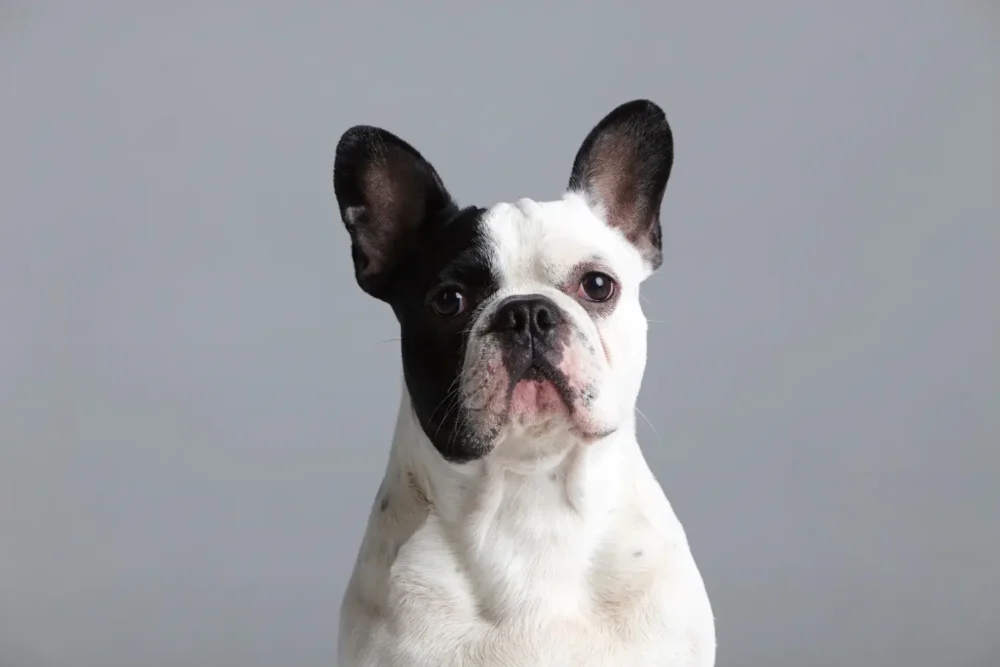
If French Bulldogs had a yearbook, their quote would be something like: “Started working class, went artsy, ended up iconic.” And at the center of that story is a question people ask constantly: what are the two breeds that make French Bulldogs?
At Kingdom Frenchies, we believe knowing where a Frenchie comes from helps you understand who they are, how they move, why they look the way they do, and why responsible breeding matters so much. We also serve families searching for French Bulldog puppies in warmer climates, where responsible breeding matters even more. Families exploring French Bulldog puppies for sale in Texas, Houston, or California benefit from our focus on respiratory health, heat awareness, and long-term well-being. Climate never changes our ethics. Every Frenchie is bred with lifestyle fit in mind, ensuring they thrive as family companions, apartment dogs, and emotionally connected pets, no matter the state.
So let’s tell this story properly. Not like a textbook. Like a coming-of-age movie set between England, France, and the streets of Paris.
Everything else, including Pugs and older molossoid ancestors, shaped the background. But these next two breeds are the direct parents of the modern French Bulldog.
Now let’s zoom out and tell the story like it deserves.
Chapter One: The English Toy Bulldog (The Muscle and the Soul)
Every French Bulldog begins in England. Specifically, with the English Bulldog, downsized on purpose.
In the early 1800s, Bulldogs were no longer needed for bull-baiting. The sport was banned, and suddenly this powerful dog had to reinvent itself. Breeders began selecting smaller, calmer Bulldogs that could live indoors, sit on laps, and still look impressive.
This is where the English Toy Bulldog was born.
What this breed contributed to French Bulldogs:
- Muscular, compact body
- Broad chest and heavy bone
- Short, smooth coat
- Undershot jaw
- Calm, people-focused temperament
These Toy Bulldogs were especially popular with lace workers in Nottingham, who worked long hours indoors. The dogs weren’t accessories. They were warmth, company, and emotional grounding.
At Kingdom Frenchies, we still see this legacy every day. That “velcro dog” behavior comes with real care considerations, including skin health, which we cover in 5 Common Skin Problems of French Bulldogs.
Chapter Two: The Game-Changer (The Industrial Revolution Era)
Here’s where the story takes a turn.
The lace industry collapsed due to machines. Workers lost jobs. Families packed up. And thousands of English lace makers moved to France, especially to cities like Calais and Paris.
They didn’t leave their dogs behind. They brought their small Toy Bulldogs with them. And that’s where French Bulldogs truly began.
Chapter Three: Parisian Ratting Terriers (Ears and Attitude)
Paris in the 1800s was loud, dense, and alive. Markets, butcher shops, and alleyways were everywhere—and so were rats. Local workers relied on small ratting terriers, especially dogs like the Terrier de la Villette, to control vermin. These dogs were agile, alert, and fearless.
French breeders began crossing these spicy local terriers with the imported Toy Bulldogs. This is the second breed that makes French Bulldogs.
What Parisian ratters contributed:
- Upright ears (The foundation of the “bat ear”)
- Smaller size and more agility
- Playful, mischievous intelligence
- Straighter legs
The “Ear War” Scandal: This mix created a huge controversy in the dog world. British traditionalists were horrified by the upright “bat ears,” insisting the breed should keep the folded “rose ear” of the English Bulldog. It wasn’t until American fans stepped in later and championed the upright look that the iconic Frenchie silhouette was officially saved.
This mix softened the Bulldog’s edges, sharpened the mind, and created a silhouette unlike any other dog on earth.
That iconic bat ear you love is also part of why people ask about care demands, which we answer directly in Are French Bulldogs High Maintenance?.
Chapter Four: Why Do People Mention Pugs?
Good question, and you’re not wrong for wondering. Pugs were likely added sparingly during this Parisian phase to refine certain features.
Pugs may have contributed:
- Rounder skull
- Large, expressive eyes
- Even shorter muzzle
- Companion-focused personality
But here’s the key thing: Pugs are not one of the two main breeds that make French Bulldogs. They are a secondary influence, not a foundational breed. Like sprinkles, not choc-chips.
At Kingdom Frenchies, this distinction matters because people often confuse historical influence with direct parentage.
The Two Breeds, Side by Side
English Toy Bulldog
- Strength
- Structure
- Calm confidence
- Muscular build
Parisian Ratting Terrier
- Upright ears
- Energy and curiosity
- Smaller frame
- Street-smart personality
Breed history even explains practical realities like diet. Put them together, refine them over decades, and you get the French Bulldog.
Why This Mix Created Health Challenges
Here’s where the teen movie gets real. Mixing a heavy-bodied Bulldog with a compact terrier created a dog that looks amazing but needs careful stewardship.
- Short muzzles affect breathing
- Compact spines increase IVDD risk
- Large heads require C-sections
- Upright ears demand structural balance
This is also why people ask about cost, which we unpack transparently in Why Are French Bulldogs So Expensive?.
Why French Bulldogs Feel So Human
Here’s the part no chart explains.
French Bulldogs aren’t just dogs. They’re observers. They read rooms. They sit like people. They stare like they’re holding a thought.
That comes from this mix.
The Bulldog gave them depth and loyalty.
The Terrier gave them spark and humor.
That’s why a Frenchie doesn’t just exist in your home.
They participate in it.
Final Chapter
The two breeds that make French Bulldogs are the English Toy Bulldog and Parisian ratting terriers. Everything else shaped the edges.
And that blend, born from migration, industry, and city life, created one of the most recognizable companion dogs in the world.
If you want to keep learning about the breed or explore ethical next steps, start at Kingdom Frenchies.
Because knowing where a breed comes from is the first step in caring for where it’s going. The end.