
How Often to Bathe French Bulldogs
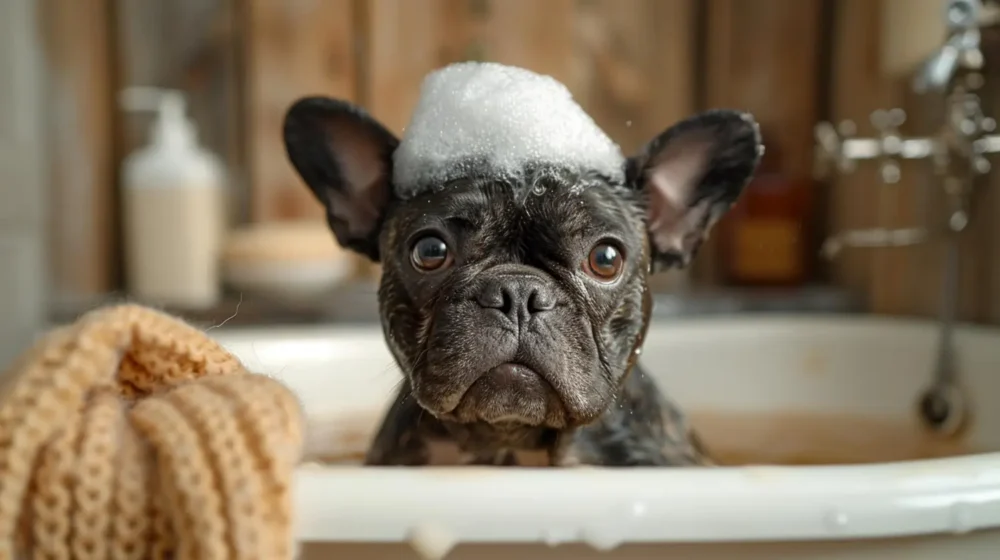
You’re watching TV and it hits you like a slap in the face. Sitting there with a pungently smelly Frenchie wondering if it’s bath time again, and Google is giving you conflicting advice. Some sites say weekly, others say monthly, and your neighbor swears by twice a year (don’t listen to your neighbor).
But the same truth is most French Bulldogs need a proper bath every 4-6 weeks. That’s it. But before you set a calendar reminder and call it done, there’s more to the story. These adorable wrinkle-faced companions have unique needs that make standard dog bathing advice completely useless.
Why Frenchies Are Different in Bath Time
After owning Frenchies for years, I’ve learned these dogs aren’t just regular dogs in compact packages. Their skin produces oils way slower than other breeds, and those adorable wrinkles? They’re basically dirt and bacteria hotels if you’re not careful.
This means the standard dog bathing rules don’t apply. Bathe too often and you’ll strip their natural oils, leaving them itchy and miserable. Wait too long and… well, you’ll know when you’ve waited too long.
Getting this balance right is about cleanliness but also about preventing the skin issues that plague this breed. Understanding your Frenchie’s specific needs goes beyond bathing frequency – their overall health plays a big role. Many owners wonder how to care for French Bulldogs comprehensively, and bathing is one piece of this puzzle.
Most French Bulldogs should be bathed once every 4 to 6 weeks to maintain their coat cleanliness without stripping away essential natural oils from their sensitive skin. Time to set a monthly reminder.
The Natural Oil Issue
Your Frenchie’s skin works overtime to produce enough natural oils to stay healthy, protected and fantastic. When you bathe too frequently, you’re stripping these oils faster than their skin can replace them. The result? Dry, flaky, itchy skin that’ll have both of you miserable.
I learned this the hard way with Max, a 3-year-old French Bulldog whose owner bathed him weekly thinking it would help his “doggy smell.” After two months of frequent baths, Max developed dry, flaky skin and constant scratching. Once his owner switched to monthly baths with proper wrinkle cleaning in between, Max’s skin returned to normal within six weeks.
Those Wrinkles Need Daily Love
Let’s tackle the elephant in the room: regular fold cleaning is more important than frequent full-body baths. These skin folds trap everything from food particles to environmental debris, creating perfect breeding grounds for bacteria and yeast.
Proper wrinkle maintenance is closely related to understanding French bulldog skin problems that develop when folds aren’t kept clean and dry.
Finding Your Frenchie’s Sweet Spot
Through trial and error (and plenty of soggy bathroom experiences), I’ve found that most French Bulldogs thrive on this schedule:
| Lifestyle Type | Bath Frequency | Between-Bath Care | Special Notes |
|---|---|---|---|
| Indoor Couch Potato | Every 6–8 weeks | Weekly wrinkle cleaning | May need less frequent baths |
| Moderately Active | Every 4–6 weeks | Bi-weekly paw cleaning | Standard schedule works well |
| Outdoor Adventurer | Every 3–4 weeks | Daily paw wipes, weekly wrinkles | May need spot baths after muddy adventures |
| Allergy-Prone | Weekly rinses during season | Daily wrinkle maintenance | Consult vet for medicated options |
Active Frenchies who love outdoor adventures naturally need more frequent baths than couch potato companions. Dogs with allergies might benefit from weekly rinses during peak allergy seasons to remove environmental triggers.
Weekly Maintenance Between Baths
- Clean facial wrinkles with damp cloth
- Wipe paws after outdoor activities
- Check and clean tail pocket
- Inspect ears for debris or odor
- Brush coat to remove loose fur
- Apply nose balm if needed
Your Nose Knows When It’s Time for a Bath
Your nose is the best bathing calendar you’ll ever have. A healthy Frenchie should smell like… well, barely anything. When that changes to something that makes you wrinkle your nose during cuddle time, it’s bath day.
Learning to recognize when your Frenchie genuinely needs a bath versus when they’re being a typical dog has saved me from countless unnecessary bath battles. Trust your senses – they’re incredibly reliable for determining bathing needs.
Different Smells Mean Different Things
Every dog has a natural scent, but strong, persistent odors tell a story:
- Musty or yeasty odors from wrinkles = possible infection (vet time)
- General ‘dirty dog’ smell = regular bath needed
- Sweet or fruity smells = check their ears
- Sour smells from skin folds = bacteria party happening
Luna, a 2-year-old fawn Frenchie, developed a distinct yeasty smell in her facial folds despite regular cleaning. Her owner initially thought it was normal dog smell, but when the odor persisted and Luna began pawing at her face, a vet visit revealed a mild yeast infection that required medicated wipes and an adjusted cleaning routine.
What Your Eyes Will Tell You
Your Frenchie’s normally soft, smooth coat will feel greasy, rough, or look noticeably dull when it’s time for a bath. You might also notice their fur clumping together or feeling sticky – clear indicators that natural oils and environmental buildup need washing away.
Environmental Factors That Speed Things Up
Where you live and how your Frenchie spends their time dramatically impacts bathing frequency. I learned this when I moved from a small apartment to a house with a yard – suddenly my bathing schedule needed a complete overhaul.
Summer heat and humidity create perfect conditions for faster oil buildup and bacterial growth, often requiring more frequent baths. Winter’s dry air might mean less frequent washing but more attention to moisturizing their skin.
Indoor vs. outdoor adventures make a huge difference too. Frenchies who spend most time indoors on clean surfaces can often go longer between baths. Dogs who love rolling in grass, digging in dirt, or exploring new places naturally accumulate more debris and odors.
Special Cases: Puppies, Seniors, and Health Issues
Not every Frenchie fits the standard 4-6 week schedule. Age, health conditions, and individual sensitivities can completely change bathing requirements. What works for a healthy adult might be totally wrong for a puppy or senior.
Understanding these differences helps you provide the best care for your specific pup. Age-related considerations extend beyond bathing – understanding French bulldog allergies becomes especially important when determining the right products and frequency for sensitive Frenchies.
| Life Stage | Bath Frequency | Special Considerations | Recommended Products |
| Puppy (8-16 weeks) | Only when necessary | Gentle, tearless formulas | Puppy-specific shampoos |
| Adult (1-7 years) | Every 4-6 weeks | Standard routine | Hypoallergenic shampoos |
| Senior (7+ years) | Every 6-8 weeks | Mobility assistance needed | Gentle, moisturizing formulas |
| Health Issues | Vet-prescribed schedule | Medicated products | Prescribed treatments only |
Puppies Need Extra Gentle Care
Young puppies have delicate, developing skin that can’t handle frequent baths or harsh products. They typically only need baths when they’re genuinely dirty or smelly, as their skin is still building natural protective barriers.
Spot cleaning and gentle wipes often work better than full baths during this crucial development period. Their immune systems are still developing, making them more susceptible to temperature changes and stress from lengthy bathing sessions.
Senior Frenchies Have Different Needs
Older dogs face unique challenges – mobility issues that make standing in a tub difficult, more sensitive skin that reacts poorly to products they once tolerated, or health conditions affecting grooming needs. They often benefit from more frequent spot cleaning but gentler, less frequent full baths.
Understanding the French bulldog lifespan helps owners prepare for changing care needs that come with aging, including modified bathing routines.
Buster, an 8-year-old French Bulldog with arthritis, struggled with traditional baths until his owner invested in a raised bathing platform and shorter sessions. By switching to waterless shampoos between monthly gentle baths and providing non-slip mats, Buster’s bath time became manageable and stress-free.
Health Conditions Change Everything
Skin allergies, dermatitis, and other health issues can completely flip your bathing routine upside down. These situations require close collaboration with your vet and often involve medicated shampoos, specific frequencies, or special techniques that go against conventional wisdom.
Many bathing challenges stem from underlying issues, which is why it’s essential to understand common French bulldog health issues that might affect your grooming routine.
Managing Allergies: Frenchies with environmental allergies often need weekly baths during allergy season to remove pollen, dust, and other triggers. This might seem excessive, but it’s actually therapeutic when done with the right products under vet guidance.
Dermatitis and Skin Conditions: These require precise bathing schedules and medicated shampoos that only your vet can properly prescribe. Never guess or use home remedies for persistent skin issues – what looks like simple dirtiness might actually be a medical condition requiring professional treatment.
My Battle-Tested Frenchie Bath Routine (2026 Edition)
After years of perfecting my technique (and learning from plenty of soggy mistakes), I’ve developed a systematic approach that keeps both me and my Frenchie happy during bath time. The key is preparation, patience, and knowing exactly what you’re doing before that first drop of water hits your pup.
Before You Start: Gather Everything First
Trust me on this. Chasing a wet dog around your house to find towels is nobody’s idea of fun. Bath time success starts long before you turn on the faucet.
Pre-Bath Supply Checklist:
- Hypoallergenic dog shampoo
- 3-4 clean, absorbent towels
- Cotton balls for ear protection
- Non-slip bath mat
- High-value treats
- Gentle brush or comb
- Clean washcloths for wrinkles
- Lukewarm water ready
Setting the Scene: Lukewarm water (test it on your wrist), proper lighting so you can see what you’re doing, and a secure, non-slip surface create the foundation for a safe, comfortable experience. Room temperature matters too – nobody wants to be wet and cold.
Understanding your Frenchie’s ear care needs is as important as the bathing environment – learn more about how to clean French bulldogs ears to complete your grooming routine.
The Bath: My Step-by-Step Process
My refined technique ensures thorough cleaning while keeping your Frenchie comfortable throughout the entire process. Each step builds on the previous one, creating a logical flow that prevents missed spots and reduces anxiety.
Wetting and Shampooing: Start from the neck down, avoiding the sensitive face area initially. Work the water through their coat gradually – I always start with a gentle pre-rinse to remove surface dirt and debris. This makes shampooing more effective and reduces the amount of product needed.
Apply shampoo and work it into a gentle lather, paying special attention to skin folds, paws, and areas where dirt typically accumulates. Work systematically from one area to another, ensuring you don’t miss any spots. Never rush this step – thorough coverage prevents having to repeat the process.
The Critical Rinsing Phase: Here’s where most people mess up. Thorough rinsing is absolutely crucial – leftover soap residue causes irritation and itching that can last for days. I spend twice as long rinsing as I do shampooing. The water should run completely clear before you stop. Any cloudiness indicates soap residue that needs more attention.
Post-Bath Care That Makes Your Frenchie Happy
Your job doesn’t end when the bath water drains away. These final steps often determine whether your pup will cooperate next time or hide when they see you heading toward the bathroom with towels.
Drying Techniques: Follow rinsing with gentle towel drying, paying extra attention to completely drying all skin folds where trapped moisture can lead to bacterial growth and infections. Use a separate, clean cloth for each fold area to prevent cross-contamination. I keep several small washcloths specifically for this purpose, washing them in hot water after each use.
The Important Part Everyone Skips: After drying, clean and thoroughly dry all facial wrinkles and body folds with a soft, clean cloth. This step prevents bacterial and yeast growth that can cause serious infections. Don’t skip this even if you’re tired – it’s often the most important part of the entire process.
Building Positive Associations: Always end bath time with treats, praise, and maybe some playtime to create positive associations with the bathing experience. This investment in their emotional wellbeing pays dividends by making future baths progressively easier rather than increasingly difficult.
What the Woof?
Every 4-6 weeks for most Frenchies, weekly wrinkle cleaning in between, and trust your nose over any schedule. Some dogs need more, some need less, and that’s totally normal.
Customizing your French Bulldog’s bathing routine is about cleanliness – but also about understanding your individual dog’s needs and building a sustainable care routine that keeps them healthy and happy. Every Frenchie is different, and what works perfectly for one might need adjustments for another.
The key is starting with these proven guidelines, then fine-tuning based on your pup’s responses, lifestyle, and any health considerations. Remember that consistency matters more than perfection, and building positive associations with bath time will serve you both well for years to come.
For those seeking French Bulldog puppies for sale in Kentucky and most of the country, so you can connect with a breeder focused on long-term health and companionship. Proper early care, temperament, and thoughtful placement guide every pairing nationwide.
When in doubt, consult your veterinarian – they’re your best resource for addressing any concerns about your Frenchie’s skin health or bathing needs.