
How Long Does a Frenchie Period Last? The First Heat Guide (2026)
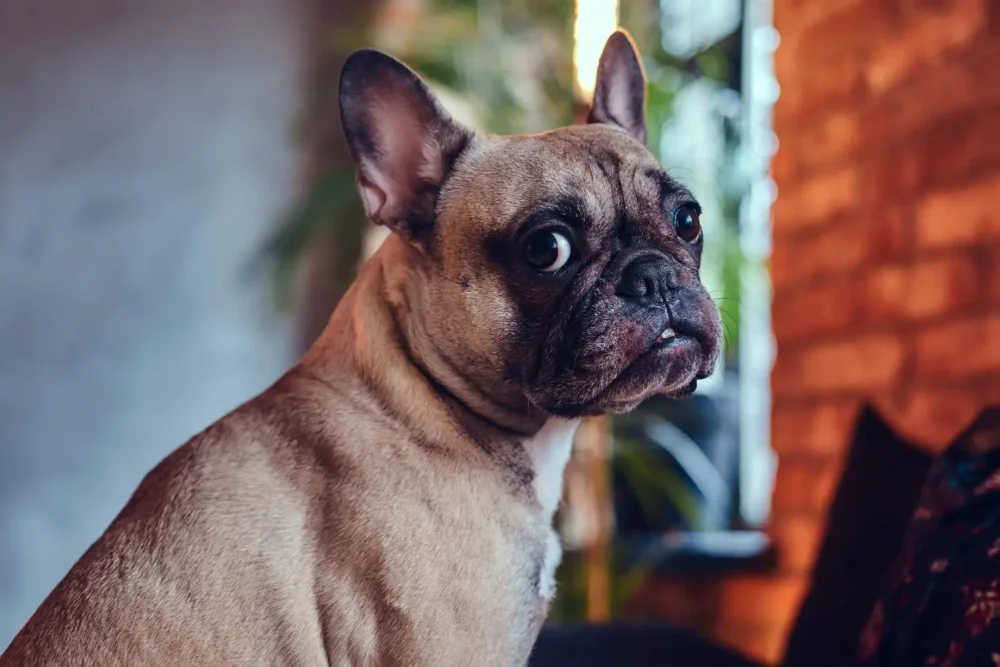
As an owner, I remember staring at my French Bulldog Bella one morning, noticing something different. She seemed clingy, restless, and there was this slight swelling I hadn’t seen before. That’s when it hit me – my little girl was growing up, and I had absolutely no idea what to expect.
If you’re reading this, you’re probably in the same boat I was. Asking yourself over and over: How Long Does a French Bulldog Period Last?
Your Frenchie is approaching her first heat cycle, and you want to know what the heck is about to happen. Here’s what goes down: it’s way less scary than it seems, but there are definitely things I wish someone had told me upfront.
Dog cycles work totally differently than ours – they’re way longer and happen way less often. While we deal with monthly cycles, dogs have this whole four-phase process that can last several months total. Once you understand what’s happening, everything becomes so much more manageable.
When and How Often It Happens
Every female Frenchie will go through heat cycles – it’s just part of growing up. The good news? Once you know the timeline, you can actually plan around it. No more surprise cycles catching you off guard.
Most French Bulldogs have their first heat between 6-12 months old. After that, expect it roughly every 6-8 months – so about twice a year. Younger dogs might be irregular at first, which is totally normal. Bella’s first cycle was super light and only lasted 10 days. Her second one? Full 21 days with all the drama.
The Four Phases Explained Simply
Think of it like this: your dog’s body goes through four distinct phases, and each one has its own personality.
Proestrus (7-10 days): This is the “getting ready” phase. You’ll see swelling, bloody discharge, and suddenly your independent Frenchie becomes your shadow. Male dogs will be interested, but she’ll want nothing to do with them.
Estrus (5-9 days): This is the “fertile window.” Discharge changes from bloody to clear or straw-colored, and she becomes receptive to mating. This is when you need to be extra careful about preventing unwanted pregnancies.
Diestrus (60-90 days): The “winding down” phase. Hormones stabilize, swelling goes down, but she’s still technically in her cycle. Some dogs can have false pregnancies during this time.
Anestrus (4-6 months): The “break time.” Her reproductive system rests until the next cycle starts.
| Phase | Duration | What You’ll See | What to Do |
| Proestrus | 7-10 days | Swelling, bloody discharge, clingy behavior | Stock up on supplies, start monitoring closely |
| Estrus | 5-9 days | Clear discharge, receptive to males | Maximum vigilance, no off-leash time |
| Diestrus | 60-90 days | Everything slowly returns to normal | Back to regular routine, watch for issues |
| Anestrus | 4-6 months | Normal behavior | Plan for the next cycle |
Frenchies Are a Little Different
Here’s something I learned the hard way: that flat face that makes our Frenchies so adorable also makes heat cycles tougher on them. They already struggle with temperature regulation, and when hormones are going crazy, it gets even harder.
I noticed Bella’s cycles seemed to hit her harder than my friend’s Golden Retriever. She’d get more uncomfortable, needed extra cooling, and seemed more sensitive overall. This is pretty common with French Bulldogs due to their breathing challenges, so don’t panic if your girl seems to struggle more than other dogs you’ve seen.
Understanding these breed-specific health considerations helps explain why Frenchies need extra attention during their cycles.
What to Look For, Period
Knowing what’s normal helps you stay calm and catch any real problems early. I spent Bella’s first cycle googling every little thing because I didn’t know what to expect. Here’s what’s actually worth watching for.
Early Signs – The “Something’s Different” Phase
About a week before the obvious signs start, you might notice subtle changes. Bella started following me everywhere – even to the bathroom! I thought she was sick, but it turns out clingy behavior is totally normal when hormones start shifting.
Other early signs include:
- More frequent urination
- Slight personality changes (more affectionate or more grumpy)
- Cleaning herself more than usual
- Male dogs in the neighborhood suddenly showing interest in your yard
The Obvious Signs – Now You Know for Sure
Once proestrus kicks in, the signs become unmistakable:
Physical changes: Vulvar swelling (it can get pretty dramatic), bloody discharge that starts heavy and gradually lightens, and sometimes a slight change in appetite.
Behavior changes: That clingy shadow behavior intensifies, she might be more protective of her space, and she’ll reject any advances from male dogs.
The fertile portion happens around days 9-14 when discharge turns straw-colored. This is when she becomes receptive to mating, so extra vigilance is recommended.
Red Flags That Need Immediate Attention
Most heat cycles go smoothly, but there are some things that definitely warrant a vet call:
- Excessive bleeding (soaking through diapers every hour)
- Foul-smelling discharge (a little smell is normal, but if it’s really bad, that could mean infection)
- Loss of appetite for more than 24 hours
- Severe lethargy that doesn’t improve with rest
- Vomiting or diarrhea
I once rushed Bella to the emergency clinic because her discharge suddenly smelled terrible. Turns out it was an early infection that we caught just in time. Trust your gut – if something feels off, call your vet.
Keeping Her Comfortable
This is where you can really make a difference in how your Frenchie experiences her cycle. Small adjustments make a huge impact on her comfort level.
Temperature Control is Everything
Remember how I mentioned Frenchies struggle more with temperature regulation? During heat cycles, this becomes even more important. Keep your home 2-3 degrees cooler than usual, and make sure she has access to cool spots.
I invested in a cooling mat for Bella, and she practically lived on it during her cycles. Cool tiles, elevated beds, and fans all help. If it’s warm outside, limit outdoor time to early morning or evening.
Hygiene Made Simple
Quality doggy diapers are your best friend. Change them every 4-6 hours to prevent infections and keep everyone comfortable. I found washable ones worked better than disposables – they’re softer and Bella seemed more comfortable in them.
Gentle baby wipes help keep the area clean, and waterproof covers on furniture save your sanity. Trust me, protect that white couch – three years later, I still have a faint stain that reminds me of my rookie mistake!
Emotional Support Goes a Long Way
Your Frenchie is dealing with confusing hormonal changes, so extra patience and comfort help a lot. Maintain regular routines as much as possible, but be flexible when she needs more attention.
I found that simply spending more quiet time with Bella made the biggest difference. Anxiety wraps or pheromone diffusers can help if she seems particularly stressed, but often just being there is enough.
Nutrition and Exercise Adjustments
Slightly increase protein to support all the hormonal activity, and make sure she has constant access to fresh water. Some dogs eat less during their cycle, so offering smaller, more frequent meals of favorite foods helps.
For exercise, think shorter but more frequent walks, avoid dog parks completely, and focus on indoor activities. Puzzle toys and gentle training sessions provide mental stimulation without the risks of public spaces. Bella actually preferred these quieter activities during her cycle anyway.
Given the specific dietary needs of French Bulldogs, maintaining good nutrition during cycles becomes even more important.
Safety and Prevention
Here’s where things get serious. Male dogs can smell a female in heat from miles away – literally. I learned this when my neighbor’s intact male started showing up in my yard every day during Bella’s cycle, apparently detecting her scent from three houses away!
Preventing Unwanted Pregnancies
This cannot be stressed enough: keep your girl on leash during ALL outdoor activities. No exceptions. Even the most well-trained dog can have an “oops” moment when hormones are involved.
Your game plan:
- Never allow off-leash time during the cycle
- Avoid areas where intact males hang out (dog parks, popular walking spots)
- Consider temporary boarding if you have intact males at home
- Supervise all yard time – don’t just let her out alone
- Remember that doggy diapers are for cleanliness, not contraception
| Prevention Method | How Effective | Tips | Cost |
| Always on leash | Very high | No exceptions, even in your own yard | Low |
| Avoid dog areas | High | Find quiet walking routes | Free |
| Separate from males | Very high | Board males elsewhere if needed | Moderate |
| Supervised yard time | Moderate | Stay outside with her always | Free |
Managing Multi-Pet Households
If you have other dogs, things get more complicated. Intact males need to be completely separated from the female in heat – and I mean completely. Even neutered males might show increased interest.
Other females might get territorial or protective, so watch their interactions carefully. When my friend’s intact male Golden Retriever became obsessed with his housemate during her cycle, they had to board him at a friend’s house for two weeks to prevent stress for both dogs.
Home Protection That Does the Trick
Use washable furniture covers, put down easy-to-clean rugs in high-traffic areas, and maybe restrict access to light-colored or expensive rooms temporarily. Strategic placement of waterproof barriers prevents permanent damage and reduces your stress.
Spaying vs. Breeding Decisions
This is probably the biggest decision you’ll face regarding your Frenchie’s reproductive health. There’s no universal right answer, but understanding the facts helps you make the best choice for your situation.
The Spaying Decision
Modern veterinary research gives us clearer guidance than ever before. Spaying eliminates the risk of pyometra (a life-threatening uterine infection) and significantly reduces mammary cancer risk when done before the first heat. However, timing matters for optimal outcomes.
Many vets now recommend waiting until after the first heat cycle for French Bulldogs. This allows proper physical and hormonal development while still providing most of the cancer prevention benefits. The decision isn’t black and white – I spent months researching and consulting with multiple veterinarians before deciding what was right for Bella.
Benefits of spaying:
- No more heat cycles to manage
- Eliminates pyometra risk completely
- Reduces mammary cancer risk significantly
- Prevents unwanted pregnancies
- May reduce some behavioral issues
Potential concerns:
- Early spaying might increase certain cancer risks
- Possible impact on joint development
- Irreversible decision
If You’re Considering Breeding
Responsible breeding is a massive commitment that goes way beyond just having cute puppies. French Bulldogs face unique challenges that make breeding particularly complex and expensive.
Before even thinking about breeding:
- Track at least 2-3 complete heat cycles to establish her pattern
- Complete all breed-specific health testing (heart, breathing, eyes, genetics)
- Ensure she’s at optimal weight and body condition
- Establish a relationship with a reproductive veterinarian
- Plan for potential cesarean delivery (very common in Frenchies)
- Set aside emergency funds ($3,000-$5,000+ for complications)
- Research and select an appropriate stud with full health clearances
French Bulldogs shouldn’t breed until their second or third heat cycle when they’re physically and emotionally mature – typically around 18-24 months. The breed often requires cesarean sections due to their body structure, making breeding a significant financial and emotional commitment.
Heat of the Moment
Looking back on Bella’s first heat cycle, I realize how much stress I could have saved myself with the right information upfront. What once felt scary has become just another part of our life together. Now, three cycles later, we have our routine down to a science.
The most important thing I learned? Trust your instincts. You know your dog better than anyone, and if something feels off, don’t hesitate to call your vet. Most cycles go smoothly, but having professional support gives you peace of mind.
Those looking for French Bulldog puppies for sale in California and most of the country, can partner with a breeder that values health and adaptability over trends. Our Frenchies are raised to succeed in city, coastal, and nationwide lifestyles.
Our comprehensive health screenings and 2-year genetic health guarantee reflect the same attention to detail we hope you’ll provide throughout your Frenchie’s reproductive health journey. We’re here to support you through every milestone – from puppyhood through those first heat cycles and beyond.
Ready to welcome a healthy French Bulldog into your family? Visit our available puppies page to find your perfect companion, and remember – we’re here to support you every step of the way.