
French Bulldog Origins: The Shocking Truth
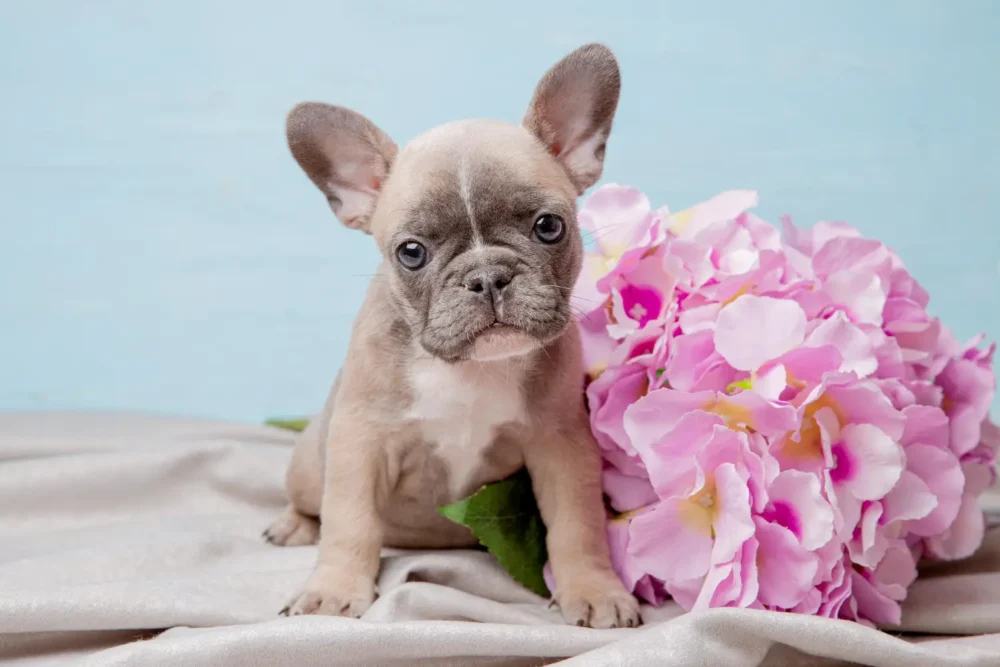
Think French Bulldogs are actually French? Think again. These wrinkly-faced charmers fooled us all – they’re about as French as fish and chips. The real story starts with English lace workers who had no idea they were creating what would become America’s #1 dog breed.
From barely surviving with about 100 new AKC registrations in 1940 to dethroning the Labrador after its 31-year reign as America’s most popular breed, Frenchies have pulled off one of the most remarkable comebacks in dog history. But their journey begins not in Parisian cafes, but in cramped English workshops where desperate workers accidentally created canine gold.
The English Secret Nobody Talks About
Picture this: You’re crammed in a one-room apartment above a noisy textile mill in 1800s Nottingham. A 50-pound English Bulldog isn’t happening. But a 20-pound version that can curl up on your lap while catching rats between the machinery? Perfect.
That’s exactly what English lace workers did during the Industrial Revolution. These skilled artisans didn’t set out to create a new breed – they just needed dogs that fit their harsh reality. Traditional bulldogs were simply too big for tiny apartments and workshops, so they naturally gravitated toward breeding smaller versions that kept the bulldog spirit but worked with their cramped lifestyle.
The workers preferred those distinctive bat ears over the traditional rose ears, not because they were following some grand breeding plan, but because they liked how they looked. They had no clue they were shaping breed history – they just wanted companion dogs that could handle industrial life and still chase rats through narrow spaces.
These early breeding decisions weren’t based on written standards or dog show dreams. They were practical choices made by people who needed dogs tough enough for factory life but small enough for their living situations. The compact, adaptable nature we love in modern french bulldog size standards? That came from pure necessity.
What’s fascinating is how economic desperation accidentally created something beautiful. These workers faced a brutal reality when machines started replacing their traditional craft skills. Their small bulldogs became more than just pets – they were companions through one of history’s most disruptive periods.
When Everything Changed: The Great Migration
The 1860s brought disaster for English lace workers, but salvation for what would become the French Bulldog. When textile mills in northern France started recruiting skilled English workers, thousands packed up their lives – including their precious small bulldogs – and crossed the English Channel.
This wasn’t just a job change. It was a complete genetic and cultural transplant that would transform these English dogs forever. The Calais region became ground zero for what we now call French Bulldog development, as French mill owners actively recruited English families who brought their breeding knowledge and their dogs.
The transformation wasn’t immediate. It took several generations for these English imports to develop the characteristics we associate with Frenchies today. But the foundation was solid, thanks to those practical Nottingham workers who never knew they were making breed history.
How France Polished the Diamond
Once in France, these dogs began evolving rapidly. French society didn’t just accept these English imports – they refined them into something distinctly French through their own breeding preferences and cultural influence.
Paris in the late 1800s was the perfect place for these dogs to flourish. The bohemian lifestyle, cafe culture, and artistic community provided an ideal environment for small, personable companions. Artists like Toulouse-Lautrec didn’t just own these dogs – they made them cultural icons through their artwork.
Take Bouboule, the famous French Bulldog owned by Madame Palmyre of café La Souris in Montmartre. This dog perfectly captured the breed’s emerging personality – friendly with regulars but bold enough to urinate on the ankles of presumptuous strangers who tried to pet him without permission. That confident, slightly sassy temperament became a hallmark that persists today.
Location, Location, Location
Different French regions contributed unique characteristics. Northern France, closer to the English influence, maintained focus on those distinctive bat ears. Parisian breeders became obsessed with temperament – they wanted dogs that could handle the social demands of cafe life and artistic salons.
This regional diversity created something remarkable – a gene pool rich enough to support the varied temperament and appearance traits we see today. The loving, adaptable nature explored in french bulldogs personality and temperament traces directly back to this period of cultural refinement.
America’s Surprising Role in Breed History
When these dogs reached American shores in the late 1800s, wealthy dog enthusiasts did something that permanently shaped the breed – they went to war over ears.
American dog lovers didn’t just accept French Bulldogs as they were. There was still heated debate about ear type, with some English breeders preferring rose ears (folded back). But Americans were absolutely adamant about those upright bat ears that made these dogs unique from their English Bulldog cousins.
This wasn’t casual preference – it was organized warfare. American breed enthusiasts threatened to boycott dog shows that didn’t recognize bat ears as the standard. Their persistence paid off, and now it’s impossible to imagine a Frenchie without those iconic upright ears.
The American influence extended far beyond ears. They helped establish size standards and temperament expectations that still guide breeding today. The breed we know and love is as much American as it is French or English – a true international collaboration.
But Americans weren’t done shaping the breed. Modern science would reveal even more surprises about what these dogs really needed to thrive.
The Truth About French Bulldog Health and BOAS
Here’s what nobody wants to talk about: that adorable flat face comes with serious consequences. Nearly every French Bulldog struggles with breathing problems due to Brachycephalic Obstructive Airway Syndrome (BOAS). The compressed skull structure creates a domino effect – narrowed airways, elongated soft palates, and restricted nostrils all work against efficient breathing.
These aren’t minor inconveniences. They’re life-affecting conditions that influence everything from exercise tolerance to sleep quality. Hot weather becomes dangerous, and even moderate exercise can cause distress. Understanding these challenges is crucial among common french bulldog health issues that every potential owner needs to know.
BOAS symptoms vary dramatically between individual dogs. Some have mild symptoms that barely affect daily life, while others struggle with basic activities. Modern veterinary medicine grades BOAS severity to help owners understand their dog’s specific limitations and provide appropriate care.
The reality about french bulldog lifespan is equally sobering. While the average ranges from 10-12 years, this varies significantly based on breeding quality and care. The breeder you choose directly affects how long your dog will live – and this isn’t just correlation but causation backed by veterinary research.
Modern testing has revolutionized what responsible breeders can do. We can now test for degenerative myelopathy, hereditary cataracts, exercise-induced collapse, and other conditions that were complete mysteries to earlier generations.
But here’s the tricky part about French Bulldog colors: they’re not all created equal from a health perspective. While merle patterns are visually stunning, they can carry serious health risks when breeding isn’t done carefully. Understanding these connections becomes especially important when considering rare french bulldog colors, as some exotic colorations require careful breeding practices to avoid associated health risks.
Your care decisions significantly influence your dog’s lifespan too. Weight management becomes critical because obesity makes breathing problems worse. Climate control isn’t a luxury – it’s a necessity for dogs that struggle with temperature regulation. Regular veterinary care, proper diet, and understanding your dog’s limitations can add years to their life.
What Modern Breeding Really Looks Like
Everything has flipped upside down in modern responsible breeding. Instead of focusing solely on appearance, today’s best breeders prioritize respiratory function and health. BOAS grading systems now influence breeding decisions more than conformation scores.
This represents a fundamental shift in breeding philosophy – one that honors the breed’s remarkable history while working to improve its future. Breeders who embrace this health-first approach often see dramatically improved puppy outcomes and longer lifespans.
Technology is transforming record keeping too. Digital verification systems and blockchain technology are creating tamper-proof breeding records, preventing the fraudulent documentation that has plagued the industry for decades. Enhanced pedigree systems now incorporate health clearances, health test results, and longevity data – giving prospective owners unprecedented insight into their puppy’s genetic background.
Different regions worldwide have developed their own approaches. Breeders in hot climates focus intensively on heat tolerance and breathing efficiency. Northern breeders select for slightly thicker coats and more robust builds. These regional adaptations create diversity within the breed while maintaining its essential character.
At Kingdom Frenchies, we honor this breed’s incredible journey by implementing the health-first practices that modern genetics have made possible. We’ve learned from the breed’s history – both its triumphs and challenges.
When you choose a responsibly bred puppy, you’re getting the benefit of centuries of breed development combined with cutting-edge science. Our commitment extends to educating families about proper care, including comprehensive guidance on how to care for french bulldogs throughout their lives.
The Legacy of Frenchies
The French Bulldog’s journey from English workshops to global stardom is way more complex and fascinating than most people realize. These dogs carry the legacy of displaced workers, French cultural refinement, American breed advocacy, and modern scientific advancement all wrapped up in one wrinkly package.
Every Frenchie today connects back to those original Nottingham lace workers who just wanted smaller, more manageable companions. Their practical breeding decisions, driven by economic desperation and cramped living conditions, accidentally created the foundation for one of the world’s most beloved breeds.
Finding the Right Pup at Kingdom Frenchies
At Kingdom Frenchies, we understand the importance of finding the right rare-colored Frenchie for your family. Our network of dedicated breeders around America specializes in both lilac and blue colorations while maintaining the highest health and temperament standards.
We encourage you to explore our available puppies and learn about our breeding philosophy to understand why families across the continental US trust us for their Frenchie companions.
Nobody wants to fall in love with a puppy only to face heartbreak later. That’s why understanding this breed’s complex heritage is so important and choosing breeders who respect it makes all the difference. The remarkable journey from English lace workers’ companions to beloved family members continues – and with responsible breeding, the best chapters may still be ahead.
Understanding potential health concerns is mandatory for any Frenchie owner. Our comprehensive guide on common French bulldog health issues provides all the answers.
Woof-Woofs
Those seeking French Bulldog puppies for sale in Kentucky and most of the country, can connect with a breeder focused on long-term health and companionship. Proper early care, temperament, and thoughtful placement guide every pairing nationwide.
With our 2-year genetic health guarantee and comprehensive health testing, you can feel confident that your new family member will be healthy and well-socialized. Contact Kingdom Frenchies today to learn about current availability and schedule a visit to our facilities. You’re always welcome!