
Can a French Bulldog Be a Service Dog? The Surprising Truth
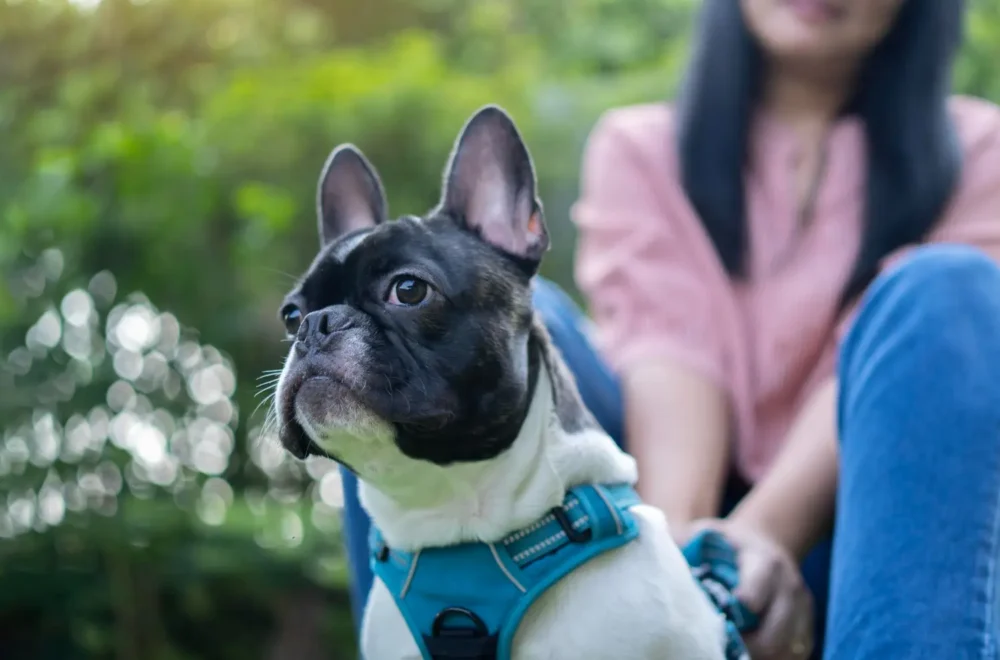
When most people picture a service dog, they imagine a sturdy Golden Retriever or a focused German Shepherd. But what about the Frenchie? Can a 25-pound “bat-eared” jester really handle the serious responsibilities of being a legal service animal?
The short answer is yes (and don’t call them jesters).
Under the Americans with Disabilities Act (ADA), there are no breed restrictions for service animals. Whether it’s a Great Dane or a tiny Frenchie, if the dog is individually trained to perform tasks that mitigate a person’s disability, they are officially a service dog.
At Kingdom Frenchies, we know these dogs are much more than just lap warmers. If you are considering buying a French Bulldog for service work, there are some unique strengths and challenges to keep in mind.
What Makes a Frenchie a Great Service Dog?
French Bulldogs possess a legendary “velcro” personality, a trait that stems from their history as dedicated companion animals. Unlike more independent breeds, a Frenchie is biologically wired to seek out and maintain close proximity to their human, making them highly attuned to even the slightest shifts in their owner’s emotions or physiological state.
This heightened sensitivity is a goldmine for service work, as they can often sense an oncoming anxiety attack, a drop in blood sugar, or a dissociative episode before the owner even realizes it’s happening. Their compact, sturdy build also offers a unique advantage for public access; they can tuck under a bus seat or sit discreetly in a crowded restaurant much more easily than a larger breed. This combination of intense emotional intelligence, portability, and a calm, “bomb-proof” temperament makes them prime candidates for life-changing service dog tasks.
We see this deep bond every day; and their success depends on their health. Keeping them in working shape means paying attention to the details, like providing the best food for French Bulldogs for mental focus or checking their skin regularly. Because they work so closely with you, preventing French Bulldog skin problems is crucial to ensure they aren’t distracted by discomfort while on the clock.
But mind you: Because French Bulldogs are prone to breathing and spinal issues, not every Frenchie is a good candidate for service work, and a vet assessment is mandatory before starting intensive training.
Psychiatric Service Dogs (PSDs)
This is where the Frenchie truly shines. Many people utilize French Bulldogs as Psychiatric Service Dogs to assist with conditions like PTSD, anxiety, or depression. Because they are small enough to be held, they can provide Deep Pressure Therapy (DPT) by sitting on their owner’s lap or chest to help ground them during a panic attack.
Medical Alert Dogs
Believe it or not, a Frenchie’s nose is more than just for snorting! They can be trained as Medical Alert Dogs to detect changes in blood sugar for diabetics or to alert an owner to an oncoming seizure. Their alertness and loyalty ensure they never take their eyes off their person.
The Maintenance Factor: Can They Handle the Work?
Ever asked yourself, are French Bulldogs high maintenance?, you know that their health is a major consideration. For a service dog, reliability is key, which means their health must be prioritized.
A service Frenchie needs to be in peak physical condition. This means:
- Managing Breathing: Since they are prone to French Bulldog snoring, they shouldn’t be asked to work in extreme heat or perform strenuous physical tasks like heavy mobility assistance.
- Skin Health: Keeping them comfortable by preventing French Bulldog skin problems so they aren’t distracted by itching while on duty.
- Hygiene: Even a working dog needs regular care, including knowing how to express French Bulldog glands to prevent discomfort during a long day of public access.
Training a Frenchie for Service Work
Training a French Bulldog for service work requires a bit of a “chef’s kiss” approach. These dogs are remarkably intelligent and intuitive, but they also possess a world-class stubborn streak that can test even the most experienced handler. Unlike breeds that live to please, a Frenchie often asks, “What’s in it for me?” before executing a command. This means that patience is needed—a lot of it—along with a healthy supply of high-value rewards. Because they are highly sensitive to tone, a heavy-handed approach will cause a Frenchie to “shut down,” so positive reinforcement is the only way to build the trust necessary for a working partnership. To successfully transition your pup from a pet to a professional, you must master these three pillars of education:
1. Early and Intense Socialization
A service dog must be essentially “bomb-proof.” While most puppies need socialization, a Frenchie in training must be exposed to an incredible variety of stimuli—crowded malls, loud sirens, flapping umbrellas, and the distinct smells of a hospital or airport—all while remaining completely neutral. They cannot afford to be distracted by a dropped slice of pizza or another dog barking nearby. The goal is to ensure your Frenchie views the chaotic human world as “just another day at the office,” maintaining their calm focus on you regardless of the environment.
2. Specialized Task Training
Under the ADA, a service dog is defined by the specific tasks it performs to mitigate a disability. For a Frenchie, this training must be precise. They might be taught to “block,” where they stand perpendicularly behind or in front of the owner to create a physical space buffer in crowded lines. They may also learn a “nudge” or “paw” command to interrupt repetitive self-harming behaviors or to alert a diabetic owner to a scent change. Because Frenchies are so physically close to their owners, these tasks become second nature, but they require hundreds of hours of consistent repetition to become reliable.
3. Immaculate Public Access Manners
When a Frenchie is wearing their “cape” or harness, they are officially on the clock. Public access manners are what separate a service dog from a well-behaved pet. A service Frenchie must never bark at strangers, sniff at grocery store shelves, or beg for food under a restaurant table. They must master the “settle” command, tucking their small bodies away in tight spaces for long periods. Their behavior must be so unobtrusive that people around you barely notice a dog is present.
Nutrition for the Working Frenchie
A working dog needs a working diet. Fueling your pup with the best food for French Bulldogs ensures they have the mental clarity and physical stamina to stay focused on their tasks for hours at a time. High-quality proteins and Omega-3 fatty acids are essential for brain health!
Psychiatric and Medical Service Tasks for French Bulls
While their small stature means they won’t be pulling wheelchairs, the Frenchie’s compact size is actually their greatest asset when performing specialized tasks. Because they are portable and incredibly observant, they excel at nuanced service work that requires a “close-contact” connection with their handler. Here is a deeper look at the specific ways a Frenchie can serve as a life-saving partner:
- Deep Pressure Therapy (DPT): This is perhaps the most common task for a Frenchie service dog. Because they are naturally “dense” and heavy for their size (the “sturdy tank” build), they are perfect for providing Deep Pressure Therapy. By sitting or lying firmly on an owner’s lap, chest, or legs, the dog’s weight triggers a grounding response in the human nervous system. This physical pressure can lower a racing heart rate, reduce cortisol levels, and help “break” a panic attack or an intense episode of PTSD.
- Grounding & Interruption: Frenchies are naturally poking and prodding when they want attention, a trait that can be harnessed for Grounding and Interruption. They are trained to recognize the early physical signs of a dissociative state—such as leg shaking, hand wringing, or staring into space—and use a firm nose nudge or paw to snap the owner back into the present moment. This “interruption” is often enough to stop a downward spiral before it becomes unmanageable.
- Tactile Stimulation: During moments of high-anxiety or sensory overload, an owner can become “numb” or overwhelmed. A Frenchie can be trained to provide Tactile Stimulation, such as licking the owner’s hands or face on command. This warm, wet, and consistent sensory input provides a focal point, helping the owner regulate their breathing and reconnect with their physical surroundings.
- Medical Alert: A Frenchie’s nose is a powerful tool. With specialized training, they can detect the subtle chemical changes in human sweat or breath that signify a medical emergency. This includes alerting a diabetic owner to dangerous blood sugar drops or sensing the “aura” that often precedes a seizure. For a handler, having a Frenchie give a specific “alert” (like a frantic paw or a specific spin) provides life-saving minutes to find a safe place or take medication.
- Crowd Blocking: For those with social anxiety or agoraphobia, public spaces can feel suffocating. Frenchies can be trained in Crowd Blocking, where they stand firmly perpendicularly in front of or behind the owner. This creates a small but vital “safety bubble” of personal space, preventing strangers from getting too close and helping the owner feel secure while standing in lines or navigating busy stores.
- Leading to an Exit: When a Frenchie senses rising cortisol levels or “stress pheromones” in their owner, they can be trained to Lead to an Exit. By applying gentle pressure on the leash or nudging the owner’s leg in the direction of a door, the dog guides the person out of a triggering environment toward a quiet area. It’s like having a personal GPS for mental safety.
Is a Frenchie the Right Service Dog for You?
While they aren’t suitable for heavy mobility work (like pulling a wheelchair), they are world-class emotional barometers. Their compact size makes them perfect for people who live in apartments or need a dog that can easily travel on public transportation.
These little powerhouses are particularly adept at Psychiatric Service Dog (PSD) tasks due to their high emotional intelligence and “velcro” nature.
Families interested in French Bulldog puppies for sale in New Jersey and most of the country, so you can choose responsibly without feeling limited by geography. Every puppy is raised with intention, early socialization, and a focus on emotional balance, not trends.
Remember these articles are informative and that any matter regarding your pet has to be discussed directly with your veterinarian.